

Living with Endometriosis & Fibroids: Understanding the Symptoms and Finding Support
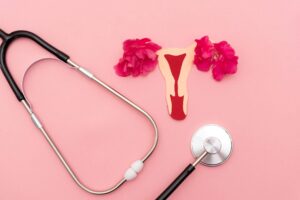
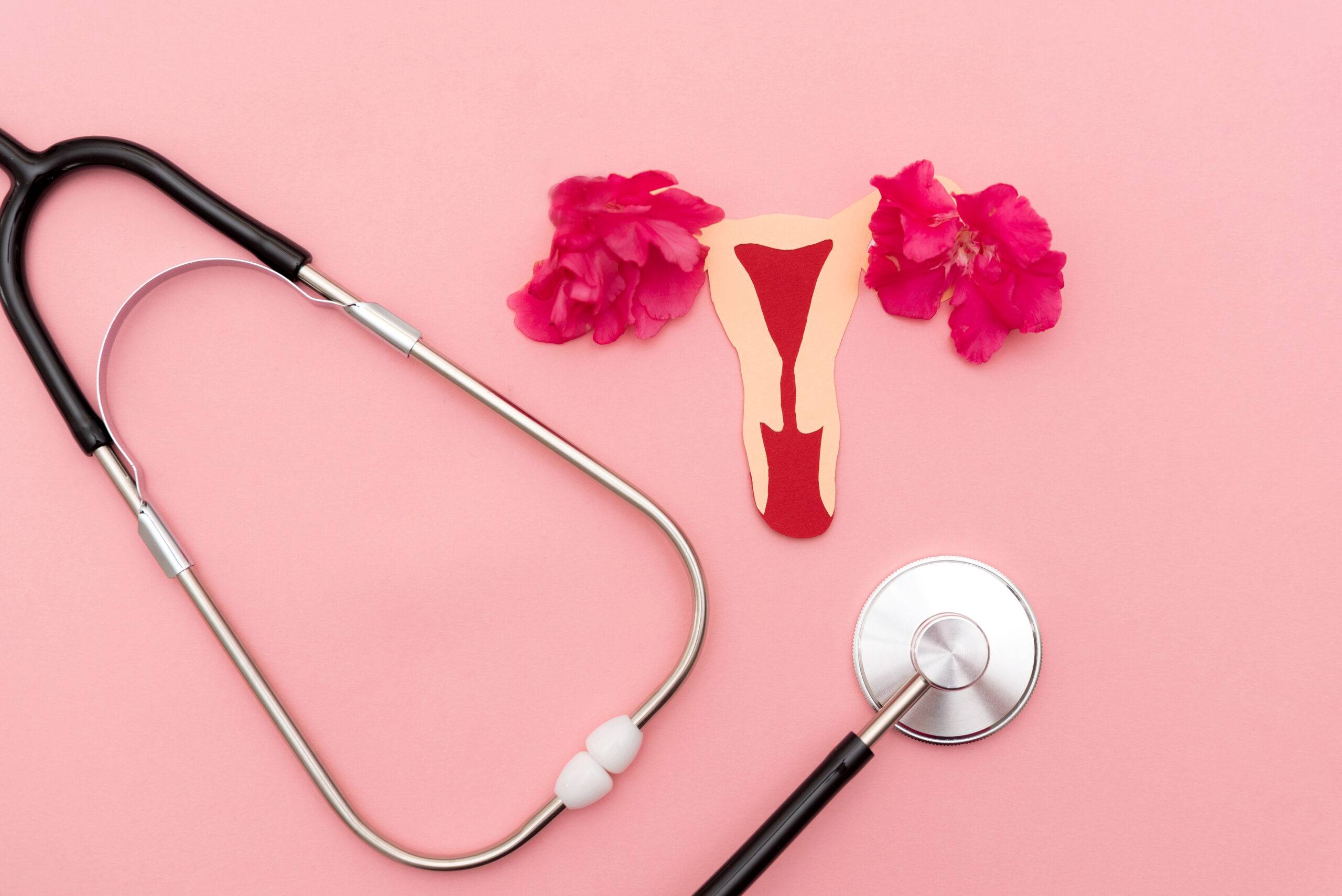
Conditions such as endometriosis and uterine fibroids affect millions of women worldwide, yet they are often misunderstood, underdiagnosed or mismanaged. These two distinct disorders of the uterus are among the most common causes of chronic pelvic pain, heavy periods and reproductive complications. Living with either – let alone both – can take a toll on one’s physical, emotional and social well-being. Yet with the right information, personalised care and community support, women can reclaim control over their health and quality of life.
Understanding Endometriosis and Fibroids
Endometriosis is a condition in which tissue similar to the lining of the uterus (endometrium) grows outside the womb, often on the ovaries, fallopian tubes, bowel or bladder. This misplaced tissue behaves as it would in the uterus – thickening, breaking down and bleeding during the menstrual cycle – causing inflammation, scarring and pain.
Fibroids, or uterine leiomyomas, are benign (non-cancerous) tumours that grow in or around the uterus. Though they are made of muscle and fibrous tissue, they can vary greatly in size and number. While some women are unaware they have fibroids, others experience debilitating symptoms.
Having both conditions simultaneously is not uncommon. Endometriosis and fibroids may coexist and worsen each other’s impact. While the underlying causes are not fully understood, both are influenced by hormonal factors, especially oestrogen. Genetics, immune dysfunction and environmental triggers are also believed to play a role in development.
Recognising the Symptoms
Endometriosis symptoms and uterine fibroids symptoms often overlap, making diagnosis more challenging. Common indicators include:
- Chronic pelvic pain, particularly during menstruation or ovulation
- Heavy periods, sometimes with clots or prolonged bleeding
- Painful intercourse
- Fatigue, often cyclical and hormone-related
- Bowel or bladder issues, especially during menstruation
- Infertility or difficulty conceiving
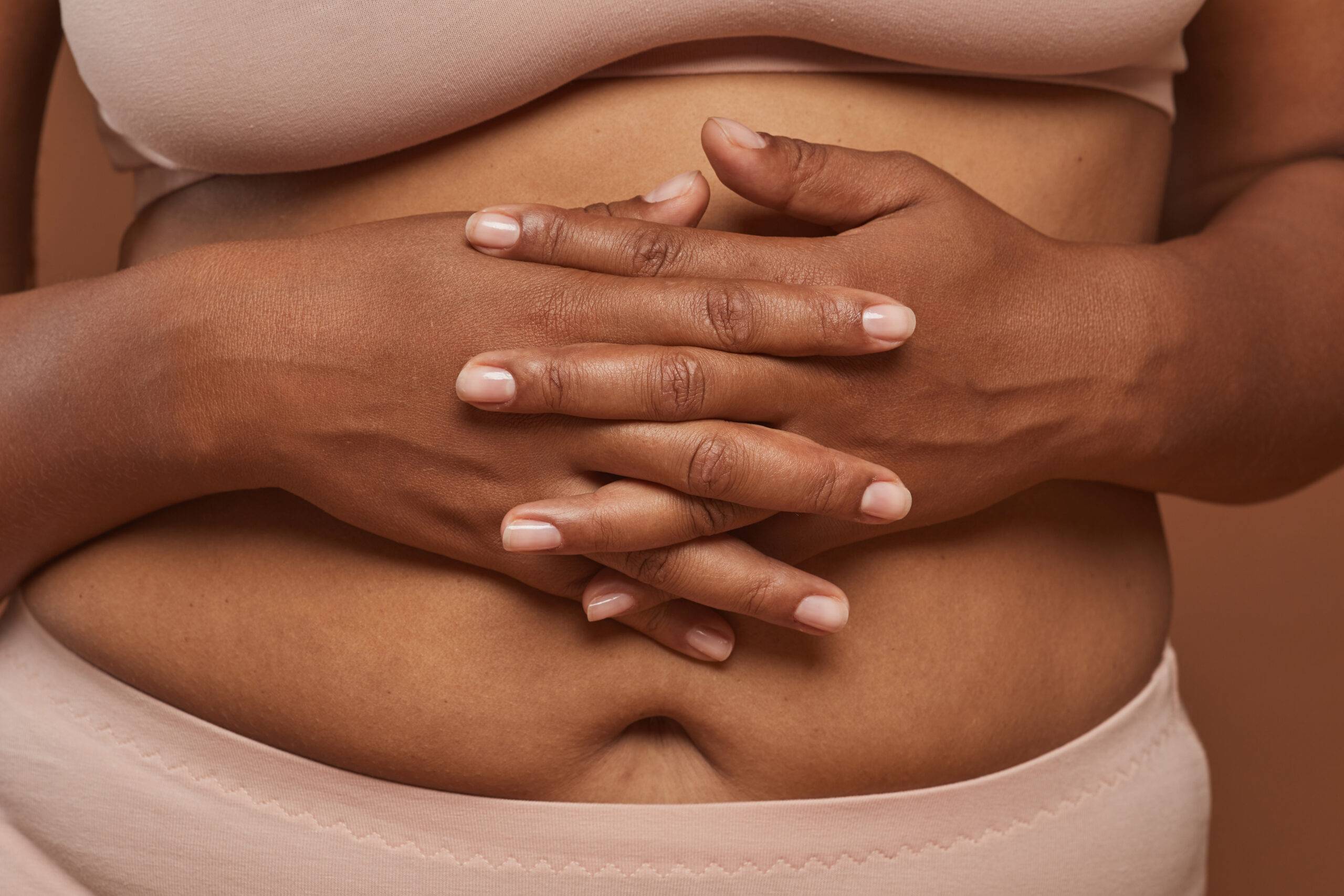
- Bloating and abdominal swelling, sometimes described as “endo belly” or linked to fibroids and bloating
Many women describe living with endometriosis as feeling like a constant battle with their body. Pain can be sharp, stabbing, burning or dull and relentless. For some, it’s manageable with over-the-counter medication – for others, it’s completely disabling. Fibroids, on the other hand, can also cause pressure symptoms – frequent urination, constipation or a feeling of heaviness in the pelvis.
Diagnosis and the Challenge of Being Heard
Despite the severity of symptoms, it can take years for women to receive an accurate diagnosis. This delay is partly due to normalisation of menstrual pain, lack of awareness among non-specialist doctors and the limitations of some imaging techniques.
Endometriosis is often diagnosed via laparoscopy – a minimally invasive surgery allowing direct visualisation and biopsy of lesions. Fibroids, on the other hand, are more readily detected through pelvic ultrasound or MRI.
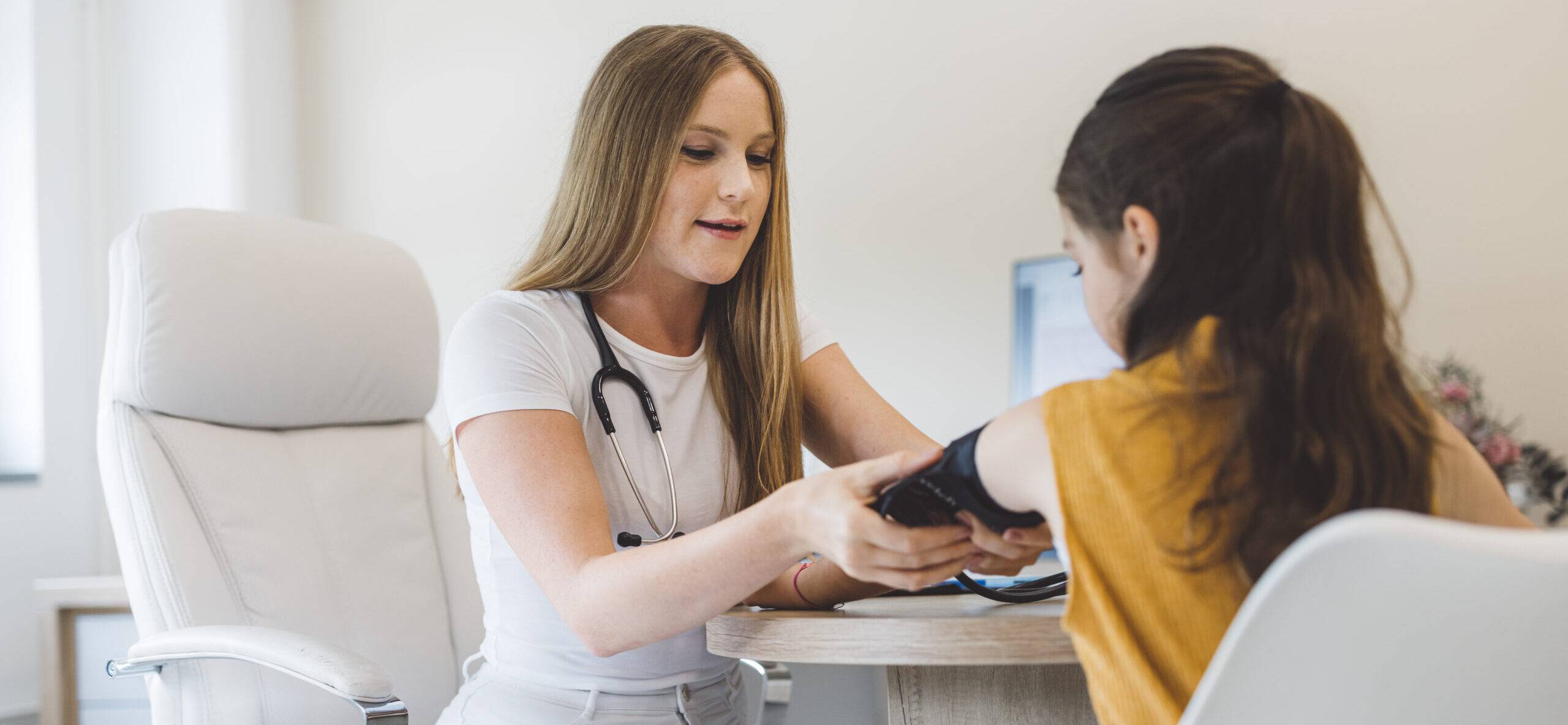
Communicating clearly and persistently with one’s healthcare provider is crucial. Keeping a symptom diary, tracking menstrual cycles and being specific about how pain affects daily life can help. If your concerns are dismissed, do not hesitate to seek a second opinion. Knowing how to talk to your doctor about your symptoms effectively is an essential step in securing the right care.
Treatment Options: Surgical and Non-surgical
There is no one-size-fits-all endometriosis treatment or fibroid treatment. Management depends on the severity of symptoms, desire for fertility, age and the presence of other conditions.
Non-surgical options include:
- Hormonal treatments: Birth control pills, hormonal intrauterine devices (IUDs) or Gonadotropin-releasing hormone (GnRH) agonists can suppress oestrogen, slowing the growth of both endometrial lesions and fibroids.
- Anti-inflammatory medication: NSAIDs, such as ibuprofen, help manage pain and inflammation.
- Iron supplements: For those with anaemia due to heavy bleeding.
- Lifestyle interventions: An endometriosis diet rich in anti-inflammatory foods, fibre and omega-3s may help reduce symptom severity.
Surgical options include:
- Laparoscopic excision of endometriosis lesions
- Myomectomy to remove fibroids while preserving the uterus
- Hysterectomy, in severe cases, particularly for those not wishing to retain fertility
Newer treatments, such as uterine artery embolisation (UAE) for fibroids or newer hormonal therapies like oral GnRH antagonists for endometriosis, offer promising non-invasive alternatives for some women.
Fertility and Reproductive Health
Both endometriosis and fibroids can interfere with women’s reproductive health. Endometriosis may cause inflammation and scarring that block the fallopian tubes, disrupt ovulation or impair implantation. Fibroids can distort the uterine cavity or obstruct the cervix or fallopian tubes, making conception difficult or increasing the risk of miscarriage.
Yet, not all women with these conditions experience fertility issues. Many go on to conceive naturally or with assisted reproductive technologies (ART), such as in vitro fertilisation (IVF). A fertility specialist can assess individual risk and recommend appropriate interventions.
Life without Treatment?
Can you live with endometriosis without treatment? Technically, yes, but it depends on the severity. Some women with mild disease and minimal symptoms may choose to monitor the condition without intervention. However, untreated moderate-to-severe endometriosis often worsens over time, increasing the risk of complications and negatively impacting quality of life.
There is currently no known cure for endometriosis. Some women report remission after menopause or pregnancy, but this is not guaranteed. Has anyone been cured of endometriosis? Not in the permanent sense, but symptoms can be effectively managed, and long-term relief is possible with the right combination of treatments.
Stage 4 Endometriosis and Severe Disease
Stage 4 endometriosis is the most advanced form of the condition, characterised by widespread lesions, deep infiltrating endometriosis, adhesions and often large ovarian cysts (endometriomas). At this stage, organs may be fused together, and pain is typically intense. Treatment often requires specialist surgical expertise, sometimes involving colorectal or urological teams.
The presence of fibroids and endometriosis together may complicate treatment plans further, especially where the symptoms overlap or surgical access is restricted.
Shrinking Fibroids and Endometriosis
While complete eradication is not always possible, various strategies exist to shrink fibroids and endometriosis lesions:
- GnRH analogues and antagonists: Reduce oestrogen to menopausal levels temporarily, shrinking fibroids and suppressing endometrial tissue.
- Progestins and oral contraceptives: Limit growth and reduce bleeding.
- Uterine artery embolisation: A minimally invasive procedure to shrink fibroids by cutting off their blood supply.
- Diet and exercise: While not curative, a low-oestrogen endometriosis diet and weight management may reduce hormonal stimulation of fibroids and endometrial tissue.
There is no so-called miracle drug for endometriosis, but newer medications like elagolix have shown encouraging results. Likewise, the best pill for endometriosis depends on individual response and tolerance – what works well for one woman may not be effective for another.
What to Avoid with Endometriosis
Certain foods and lifestyle factors may aggravate symptoms. Many women report improvement when they avoid:
- Processed foods, red meat and trans fats
- Excess caffeine and alcohol
- High-sugar or high-sodium diets
- Exposure to endocrine disruptors, such as BPA
Stress reduction, regular movement and adequate sleep also support the body in managing endometriosis pain.
The Emotional Impact of Chronic Pelvic Pain
The psychological burden of chronic pelvic pain cannot be overstated. Many women experience anxiety, depression, low self-esteem and social isolation. Relationships may suffer, careers may be interrupted, and the unpredictability of symptoms can lead to constant stress and hypervigilance.
Support – both emotional and practical – is vital. Cognitive behavioural therapy (CBT), support groups and speaking openly with loved ones can help alleviate the mental strain. Recognising that pain is real, not exaggerated and worthy of serious medical attention is the first step in shifting the narrative.
Conclusion
Living with endometriosis and fibroids presents daily challenges that are often invisible to the outside world. From endometriosis symptoms and heavy periods to fertility concerns and emotional exhaustion, the impact can be profound and multifaceted. But it is not a hopeless journey.
With the right diagnosis, tailored treatment plans, nutritional and lifestyle adjustments and community support, many women are not just surviving, but living well with these conditions. Open dialogue with healthcare providers, awareness of treatment advances and connection with supportive peers all contribute to better outcomes and a sense of agency.
Women’s reproductive health deserves the same urgency and respect as any other aspect of medicine. Listening, believing and responding appropriately to symptoms is not just good practice – it’s a matter of dignity and justice.
If you believe you may have endometriosis, or would just like to learn more about the condition, don’t hesitate to reach out to a Lenmed gynaecologist.
For more information, please contact:
Dr. Charlotte Osafo
Discipline: Nephrologist
Hospital: The Bank Hospital
Telephone: 0208867829
And
Dr L Phofa
Discipline: Gynaecologist, Obstetrician
Hospital: Randfontein Private Hospital
Telephone: +27 87 287 5215
Email: [email protected]
And
Dr N Langa
Discipline: General Practitioner
Hospital: Maputo Private Hospital
Telephone: +258 84 095 7900
Email: [email protected]